CFIA Food Recall Checklist: Verifying UPCs and Lot Codes Fast
Frozen berries, pre-packaged bakery trays, and imported snacks lead Canadian Food Inspection Agency advisories—here is how to verify packages in seconds.
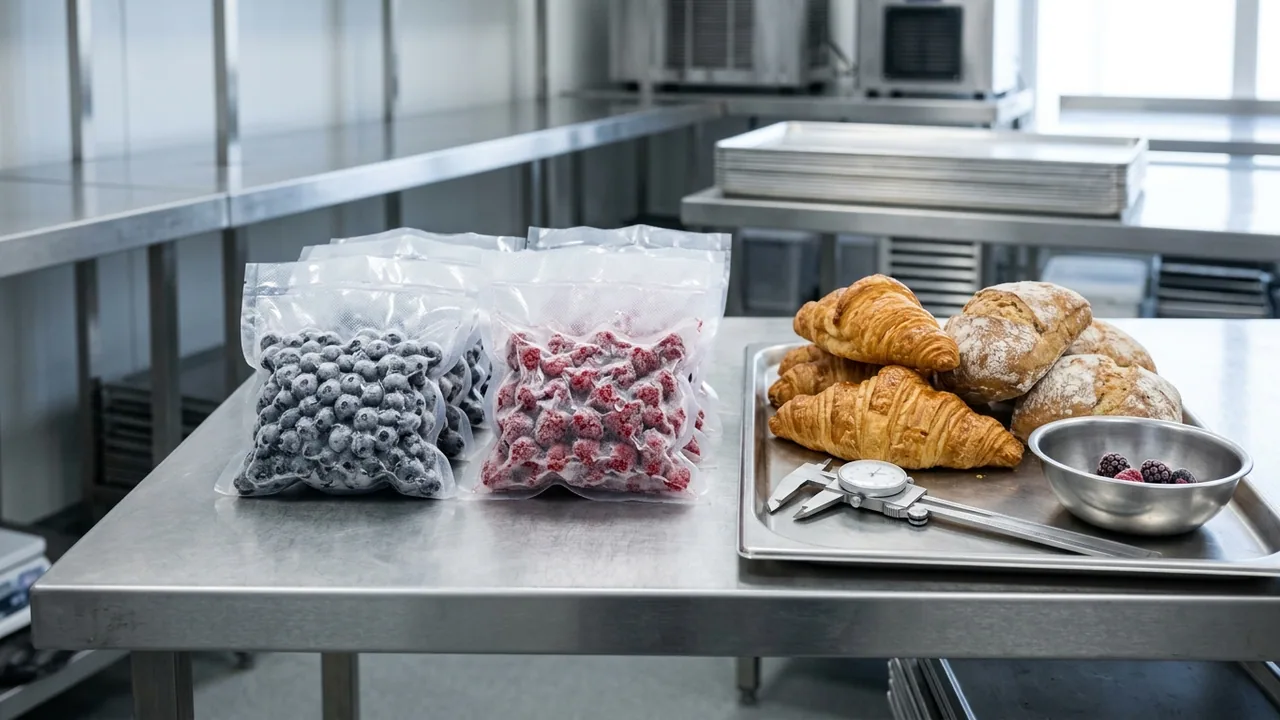
- The Canadian Food Inspection Agency (CFIA) issues Class 1 (high risk), Class 2 (moderate risk), and Class 3 (low risk) consumer warnings.
- Always cross-check both the 12-digit UPC barcode and the printed production lot code before discarding safe pantry goods.
- Recalled items bought at Canadian supermarkets or warehouse clubs qualify for full refunds at customer service.
Frozen fruit blends, refrigerated dips, and in-store bakery items pose a particular challenge during Canadian recalls: unlike fresh milk that finishes within a week, frozen pouches frequently remain in basement chest freezers for six to twelve months after a CFIA alert first appears in the news.
How to Read a CFIA Notice Without Guesswork
Every official Government of Canada recall page lists four definitive identifiers: brand name, exact net weight in grams or kilograms, the 12-digit UPC printed beneath the barcode, and the code line (Best Before date or plant lot stamp). If your package matches the brand and size but carries a completely different lot code outside the affected range, it is not included in the recall.
Warehouse Club Member Notification Advantage
Shoppers who purchase frozen or bulk staples at membership warehouses like Costco Canada receive an added safety net: purchase history linked to membership numbers enables automated email or phone notices when a high-risk Class 1 recall hits a batch you bought.
Safe Disposal vs. In-Store Refund Documentation
If an alert involves severe biological contamination such as Listeria or E. coli in ready-to-eat meals or frozen berries, public health authorities emphasize preventing accidental cross-contamination in the kitchen. Double-bag the recalled pouch before placing it in household waste—or take a clear smartphone photograph of the UPC barcode and stamped lot code before discarding—as most Canadian supermarkets honour recall refunds with batch photos when advised not to transport spoiled food.
Understanding CFIA Food Recall Classifications
| CFIA Class | Health Impact Definition | Recommended Consumer Action |
|---|---|---|
| Class 1 | High probability of serious adverse health consequences | Do not consume; return or dispose immediately |
| Class 2 | Temporary or non-life-threatening health risk | Verify lot code and return to retailer for refund |
| Class 3 | Unlikely to cause adverse health effects (e.g., minor quality) | Check recall notice for voluntary exchange terms |
Practical Steps for Canadian Households
- Subscribe to direct bilingual alerts from Health Canada’s Recalls and Safety Alerts portal.
- Inspect freezer bags of berries and frozen vegetables—long shelf life means recalled lots can sit in home freezers for months.
- If a product carries an undeclared allergen warning (milk, eggs, soy, tree nuts, sesame), isolate it immediately if anyone in your home is allergic.
Official Sources & Registries
Canadian Consumer & CFIA Alert Brief
Get verified CFIA recalls, provincial utility updates, and weekly grocery savings notes straight to your inbox.